
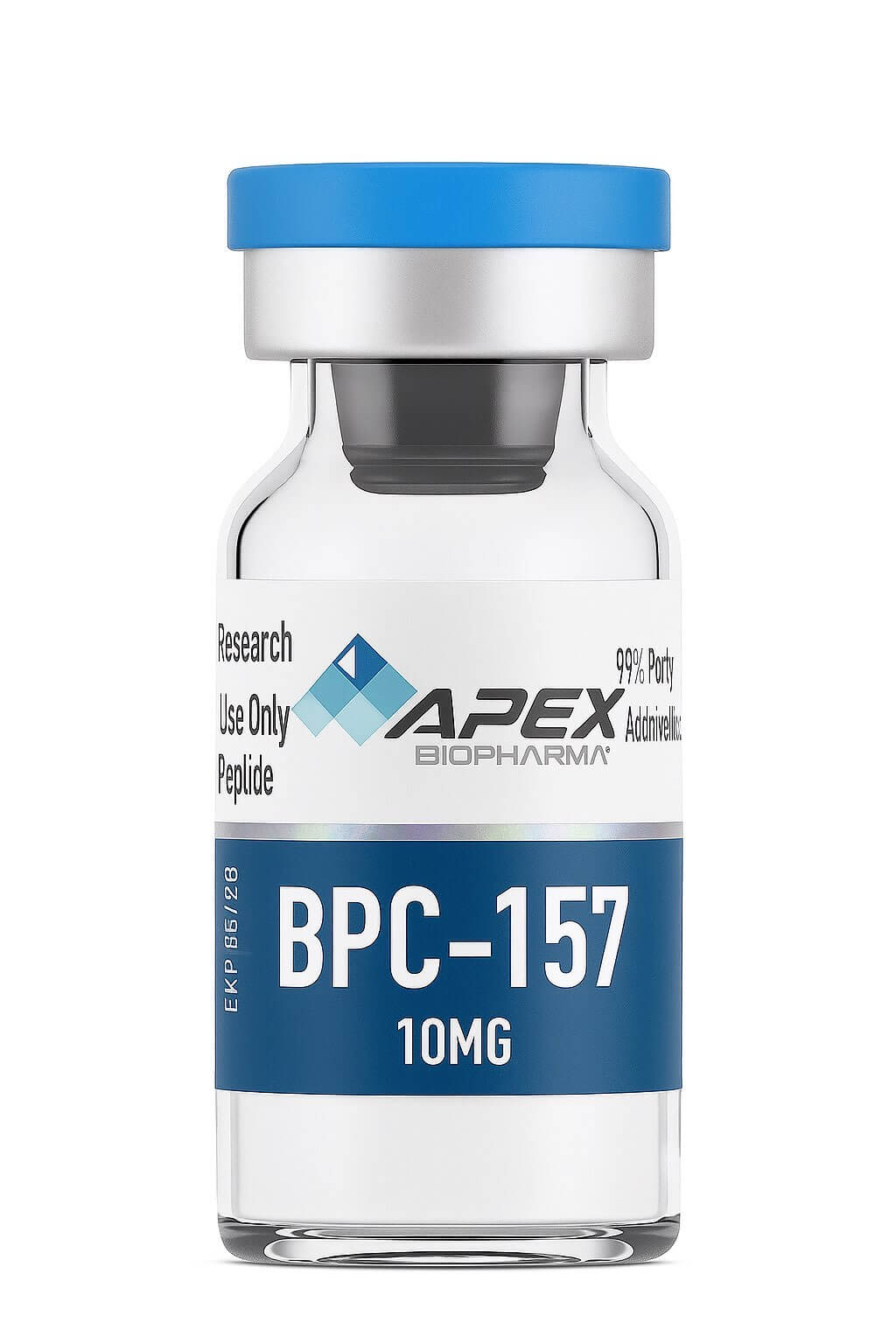
BPC‑157 10 mg — concise overview: benefits, mechanisms, typical uses, dosing/administration, safety and practical notes.
What it is
-
BPC‑157 is a synthetic 15‑amino‑acid peptide derived from a gastric juice protein. A 10 mg vial refers to total peptide prior to reconstitution and typically supplies many microgram‑level doses.
Primary reported benefits
-
Accelerates healing of muscles, tendons, ligaments and skin (faster repair, improved collagen synthesis).
-
Promotes angiogenesis and improved local blood flow to injured tissues.
-
Reduces inflammation and pain at injury sites; may speed recovery and reduce downtime.
-
Protects and repairs gastrointestinal mucosa (ulcers, leaky gut models, IBD in preclinical/clinical reports).
-
May support nerve repair and neuroprotection in injury models.
-
Reduces scar formation and fibrosis in some models, improving functional outcomes.
Mechanism (brief)
-
Promotes angiogenic and pro‑repair signaling, modulates VEGF and other growth factors, enhances collagen deposition and cell migration, and has anti‑inflammatory effects. Active in the GI environment.
Typical administration routes
-
Subcutaneous injections (most common; can be placed near injury for localized effect).
-
Intramuscular injection for deeper tissues.
-
Oral/sublingual formulations are used especially for GI indications (despite variable bioavailability).
-
Topical use is less common; combine with local therapies as appropriate.
Common dosing patterns (non‑prescriptive examples used in practice)
-
Typical per‑dose range: 200–500 mcg once to twice daily. Site‑specific injections often use the lower end near the injury.
-
Example protocols: 250 mcg twice daily or 500 mcg once daily for 2–6 weeks depending on injury severity.
-
For severe or post‑op cases some practitioners escalate to 750–1,000 mcg/day divided doses for a limited period.
-
Maintenance: some use lower intermittent dosing after an initial induction phase.
-
A 10 mg vial, properly reconstituted, yields many mcg‑scale injections — dilution and dosing should be done by a clinician.
Expected timeline
-
Pain/inflammation improvements may be noticed within days; tissue healing and functional recovery typically assessed over 2–6 weeks (varies by injury).
Evidence and regulatory status
-
Strong preclinical (animal/in vitro) evidence; human data are limited and largely anecdotal, case reports, or small clinical series. BPC‑157 is not FDA‑approved for general clinical use in many countries and is considered investigational/off‑label.

Reviews
There are no reviews yet.