
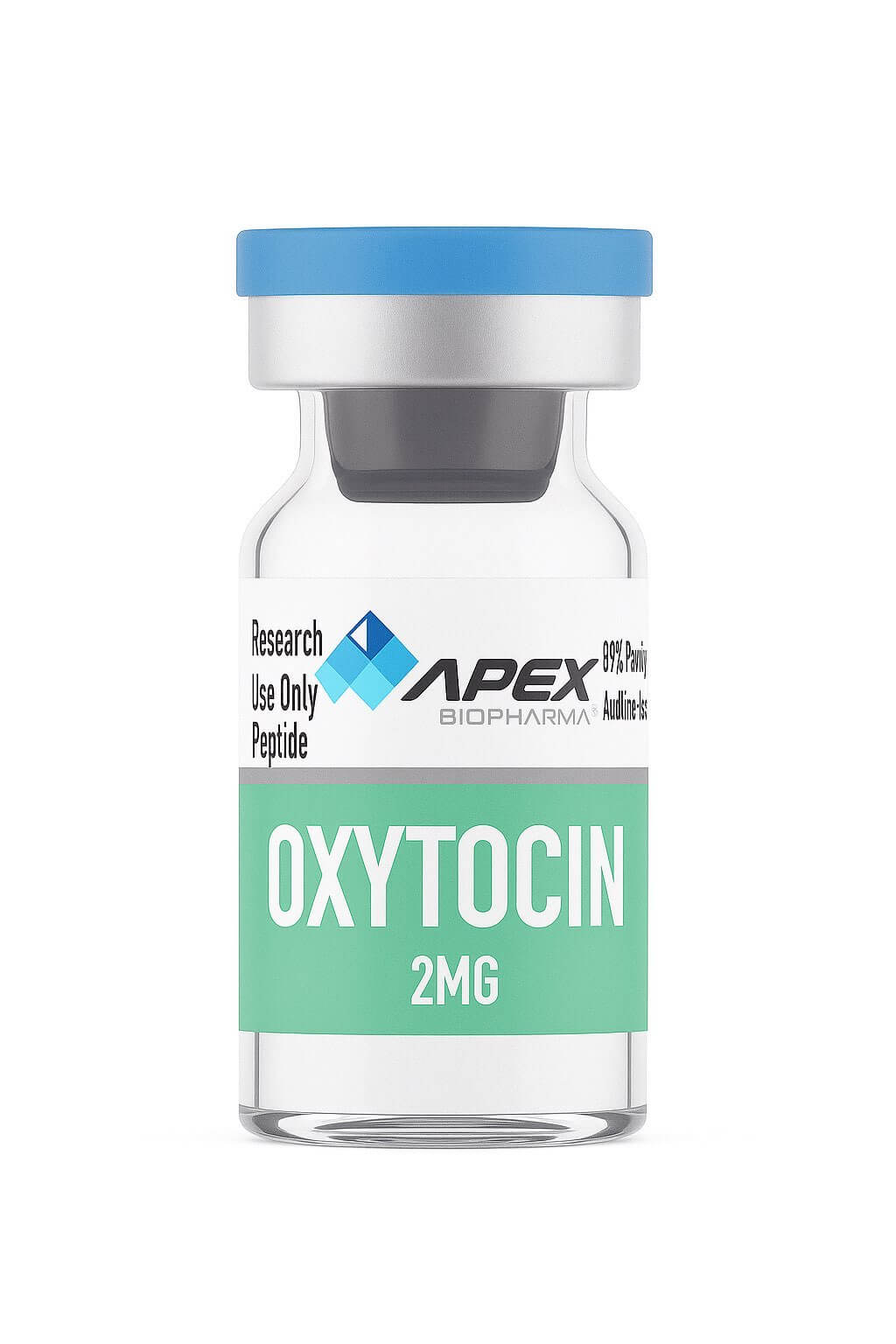
Oxytocin 2 mg — concise overview: benefits, uses, administration, safety, and practical notes.
What it is
-
Oxytocin is a 9-amino acid neuropeptide hormone naturally produced in the hypothalamus and released by the posterior pituitary. It plays key roles in childbirth, lactation, social bonding, and stress regulation. A 2 mg vial typically refers to total peptide for reconstitution; per-dose amounts are in micrograms (μg).
Primary reported benefits and uses
-
Reproductive health: Essential for uterine contractions during labor and milk ejection during breastfeeding. 6
Typical administration and dosing (non-prescriptive examples)
-
Routes: Intranasal (most common for CNS/social effects), subcutaneous, or intravenous (medical settings). Intranasal allows rapid CNS access and is preferred for mood/social benefits.
-
Dosing: Typical research/clinical doses range from 20–40 IU (international units) per administration, which is roughly equivalent to 20–40 μg. A 2 mg vial, after reconstitution, can provide many doses depending on dilution and protocol.
-
Frequency: Often administered once or twice daily, with cycles lasting days to weeks depending on indication.

Reviews
There are no reviews yet.